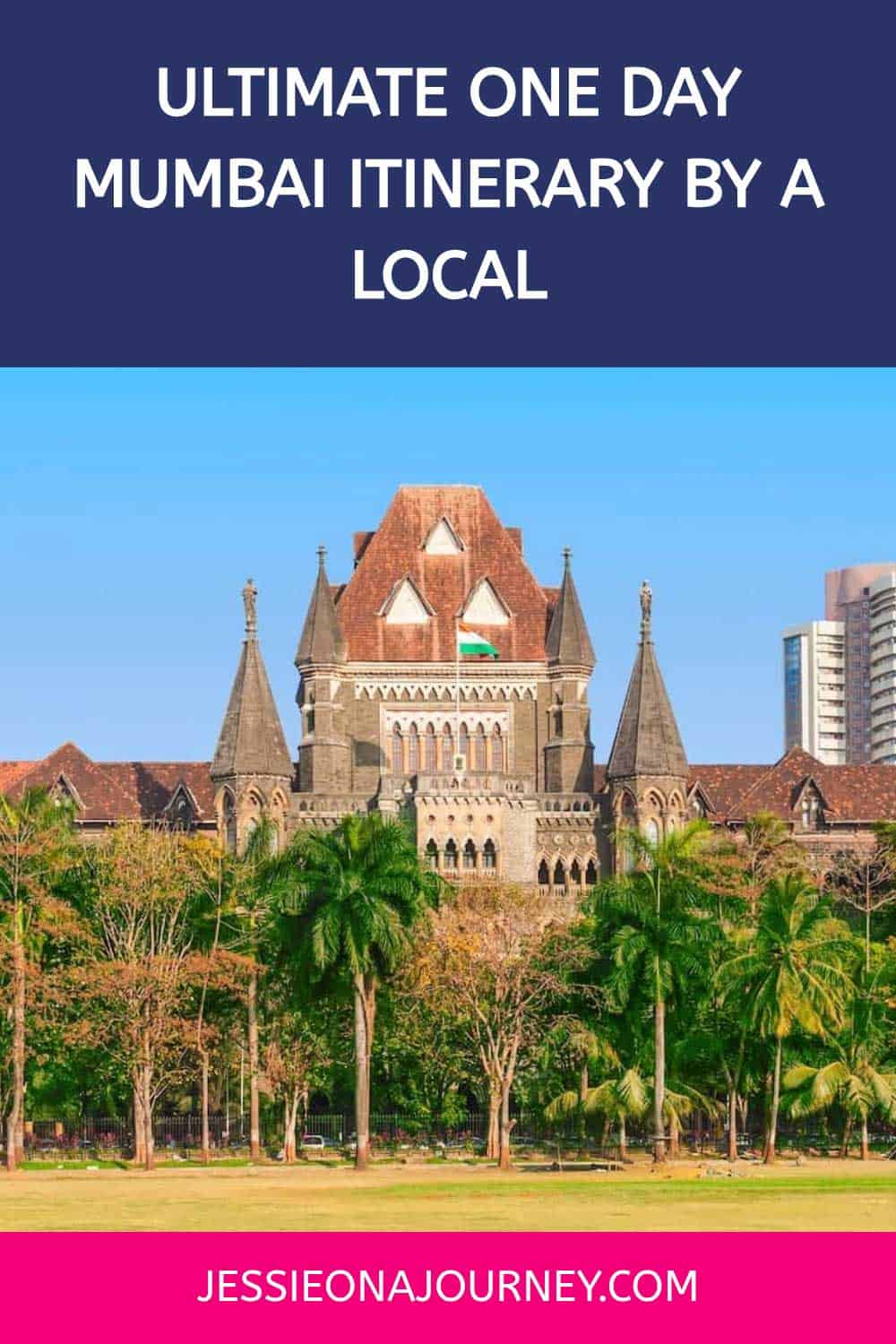
Ultimate One Day Mumbai Itinerary (From A Local!)
This post contains affiliate links, including Amazon affiliate links. If you purchase through these links, I may earn a commission at no extra cost to you. As an Amazon Associate, I earn from qualifying purchases. Thank you for your support!
Looking for the perfect one day Mumbai itinerary?
Here’s a local’s take on how to make the most of 24 hours in the city!
Mumbai—often called the City of Dreams—is a place where black-and-yellow taxis fill the roads, Victorian architecture peeks through every neighborhood, the aroma of hot ginger tea lingers in the air, and the city opens to sweeping views of the Mumbai Harbour and the Arabian Sea.
I spent 22 years living in Mumbai, and I completely fell in love with the city as I experienced its popular places and hidden corners.
As India’s most populous city and the only one with three UNESCO World Heritage Sites, Mumbai is a vibrant mix of history, culture, and modern energy. It’s a place of striking contrasts, where colonial landmarks share space with cutting-edge skyscrapers and bustling street markets.
If you have just 24 hours here, this locally crafted itinerary shows you how to experience Mumbai’s highlights—like the Gateway of India, Dhobi Ghat, and Marine Drive—along with a few local favorites, all in one unforgettable day.
✈️ Pro tip: With limited time to explore the city, consider booking a guided tour—like a Highlights of Mumbai Sightseeing Tour or a Private Full-Day Tour of Mumbai.
Is One Day In Mumbai Enough?
You can definitely cover Mumbai’s key landmarks—like the Gateway of India, Marine Drive, and Colaba Market—in a day and still get a feel for the city’s charm.
I know it sounds ambitious, but with the right plan, it’s doable. Focus on the highlights, plan your route, and you’ll be surprised by how much you can fit into 24 hours!
That said, if you have more time, spend three days. Mumbai is massive, and each neighborhood has a vibe of its own.
Spend your first day in Colaba, where you’ll see old-world charm and colonial architecture. On your second day, explore Bandra, known as the Queen of the Suburbs, with its street art, sea-facing bungalows, and indie cafés. On the third, head to Juhu for beach sunsets and some of the best street food in the city.
Detailed One-Day Mumbai Itinerary
On that note, let’s get into the one-day itinerary for Mumbai.
Morning: Explore top attractions in Colaba
Start your day in Mumbai by exploring Colaba, one of the city’s four peninsulas, along with Worli, Bandra, and Malabar Hill—home to some of Mumbai’s wealthiest residents.
What makes Colaba special is that so many of Mumbai’s most famous landmarks, markets, and cafés are concentrated here. It’s the beating heart of South Mumbai and the perfect place to begin your 24 hours.
If you’re arriving by train, book your ticket to Chhatrapati Shivaji Maharaj Terminus (CST), previously known as Victoria Terminus (VT). This UNESCO World Heritage Site is a stunning example of Victorian Gothic Revival architecture and is well worth seeing in person.

Once you exit the station, you’ll spot a long line of taxis waiting just outside. Many drivers double as informal guides and will try to sell you a full-day Mumbai Darshan (Mumbai tour) for anywhere between ₹3,000 and ₹7,500, roughly $35 for a group of three. If you’re a foreign tourist, be aware that they may quote a higher price.
These tours can be useful if you want commentary, but they’re not necessary—shared taxis charge much less on a per-seat basis and work fine if you want to travel around on your own.
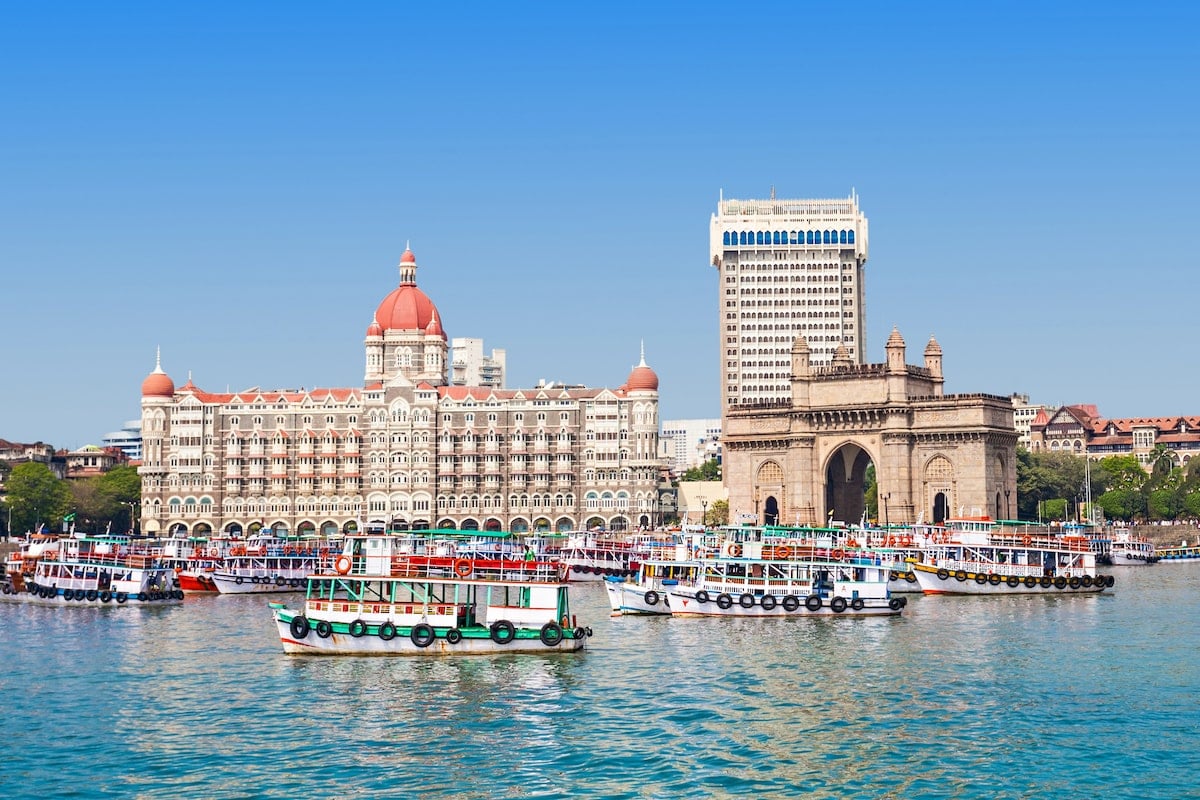
Within Colaba itself, you’ll find two of Mumbai’s most iconic landmarks: the Gateway of India and the Taj Mahal Palace Hotel. These famous neighbors sit right across from each other, making it easy to visit both in one stop.
The Taj Mahal Palace Hotel is not only one of India’s most luxurious five-star hotels, but also an architectural masterpiece with its Indo-Saracenic design and grand dome. Owned by the Tata Group, it has hosted everyone from royalty to world leaders. Even if you’re not staying there, it’s worth a stop to admire its façade and snap a photo.
The Gateway of India, built during the British Raj as an entry point for viceroys and governors, later became the symbolic exit point for the last British troops in 1948. The area is always packed—weekday or weekend, peak season or off-season—so expect crowds when you visit.
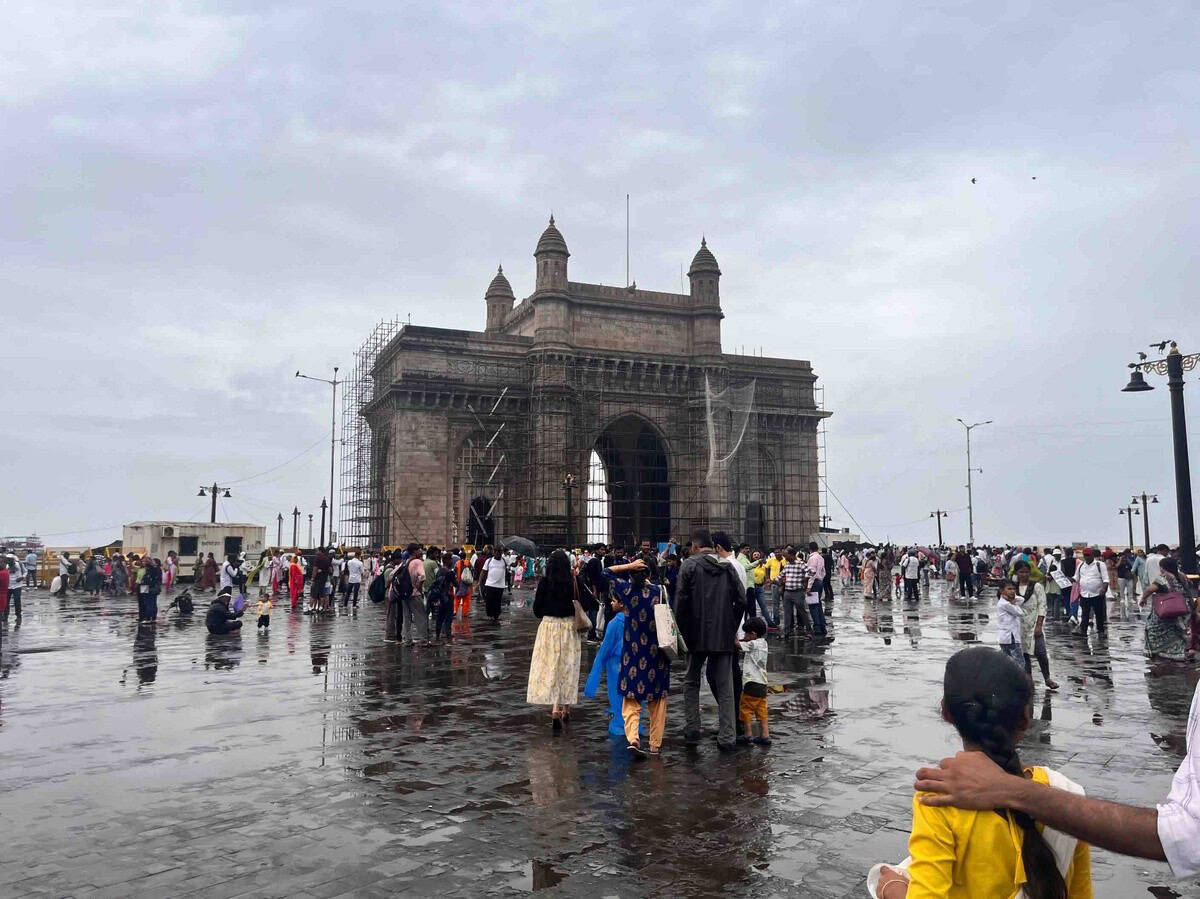
Street photographers work the plaza and will offer to take classic shots of you in front of the monument at very reasonable prices. They’re passionate about their craft and often go the extra mile if you have a creative idea in mind, so it’s usually worth the small fee.
💡Tip: There are also balloon sellers near the Gateway, who often overcharge tourists, sometimes asking ₹500 for a packet that actually costs ₹70–₹100. Be aware of this!
If you’d like to experience the Gateway and Taj from the sea, you can book a dinner cruise, a sailing trip, or a private yacht experience. Prices are surprisingly affordable, and the views of Mumbai’s coastline from the Arabian Sea are stunning. These rides are closed during monsoons when tides are dangerous.
Alternatively, you can take a ferry to the Elephanta Caves, another UNESCO World Heritage Site, but I don’t recommend this for a one-day outing in Mumbai—you’ll miss out on other key spots.
From here, cross over to Colaba Causeway Market, a lively street filled with stalls selling quirky jewelry, clothes, bags, and phone accessories. It’s one of the best places in Mumbai to shop for souvenirs.
💡Tip: While most vendors are firm on prices, walking away politely can sometimes help you get a better deal.
Wrap up your morning at Leopold Café, one of Mumbai’s most famous eateries. This café became world-famous after the 2008 terror attacks and has since become a stop for both history buffs and foodies. The bullet holes from that day are still visible inside.


Expect a wait, especially on weekends, but the food is worth it. Try the peach iced tea, garlic pull-apart bread, or a lime soda with fresh pizza.
If you’d prefer something quieter and more budget-friendly, Olympia Coffee House, just around the corner, is a local favorite for hearty meals.
Afternoon: Visit Dhobi Ghat, Malabar Hill Skywalk & Chowpatty Beach
After exploring Colaba, take a taxi or a bus to Dhobi Ghat—the world’s largest open-air laundry—in Mahalaxmi. More than 5,000 dhobis (washermen) work here daily, scrubbing, dyeing, and drying clothes from hotels, hospitals, and households across the city.
The sight of endless rows of clotheslines against a backdrop of high-rises has even earned Dhobi Ghat a spot in the Guinness World Records. Many workers have migrated from states like Bihar and Maharashtra, and while the laundry is still largely done by hand, some families now use mechanical dryers for wealthier clients.
The drive to Mahalaxmi is scenic, especially during the monsoon season. You’ll pass Antilia, the world’s most expensive private residence, cruise along Marine Drive, and even go through a sea tunnel that leads toward Mahalaxmi.

There is a lookout point near the entrance where you can see the laundry site from above. Most visitors spend only a short time here, so if you tell your driver in advance, they’ll often wait and collect the total fare later.
The drive from Colaba Causeway to Dhobi Ghat and back to Marine Drive costs around ₹450.
💡Tip: To go beyond the viewing point, book a guided tour of Dhobi Ghat. These last around three hours and give a deeper understanding of the community, the washing process, and its history. Many tours also include a stop in Dharavi, Asia’s largest slum, which is also known for its resilience, history, and entrepreneurial spirit.
From Mahalaxmi, continue your ride to Kamla Nehru Park. Take a short break in this peaceful green space before walking over to the newly opened Malabar Hill Skywalk, Mumbai’s first nature skywalk.
This 485-meter-long wooden bridge winds through tree canopies and offers views of various bird species along the way. It’s a first-of-its-kind experience in Mumbai, with tickets priced around ₹25. You can book them on-site or online. The skywalk is open until 9pm and is a great spot for slow exploration.
After the skywalk, make your way to Chowpatty Beach, one of Mumbai’s most popular public beaches. It’s known for its chaotic charm and delicious beachside snacks. Alternatively, head to the nearby Nehru Planetarium if you are traveling with kids!

On your way to Chowpatty or the planetarium, stop for lunch at Cream Centre, a long-standing vegetarian restaurant known for generous portions and flavorful Indian dishes. Their dal makhani (creamy lentil curry), paneer dishes (fresh cottage cheese in rich sauces), and sizzling hot platters are crowd favorites, and a single serving is often enough for two or three.
Evening: Wander the scenic Marine Drive
End your one-day trip to Mumbai at Marine Drive, the iconic promenade that curves along the coast of South Mumbai. You can visit this spot on your way back to CST station, or include it earlier in the day if you’re heading to Bandra afterward.
Known as the “Queen’s Necklace,” Marine Drive glows beautifully in the evening as the streetlights curve along the coast like a string of pearls. Sunset is spectacular here, but late evenings are just as magical when the skyline lights up.

Look down and you’ll see large, four-legged concrete blocks called tetrapods. These aren’t just decorative—they help break the force of the waves and protect the shoreline from erosion. They’re also widely used in Japan for coastal defense.
Like any big city, water pollution and crowds are real concerns, but recent government efforts have made the beaches noticeably cleaner.
Before you leave, grab a bite at one of the local khau gallis (street food lanes) near Marine Drive. For a true taste of the city, don’t miss Mumbai classics like vada pav (a spicy potato fritter in a bun), bhel puri (crispy puffed-rice chaat), pani puri (crispy shells filled with spiced water and chutneys), or a hot plate of pav bhaji (buttered bread with a spiced vegetable mash).
Savor a delicious South Indian feast
For dinner, I highly recommend heading to Bandra to check out Tanjore Tiffin Room. It’s about an hour by car from Marine Drive and is without a doubt my favorite South Indian spot in Mumbai!
If you’ve ever seen those thin crepes dipped in chutneys, that’s dosa. It’s made from a fermented batter of rice and lentils, usually served with sambar and coconut chutney.
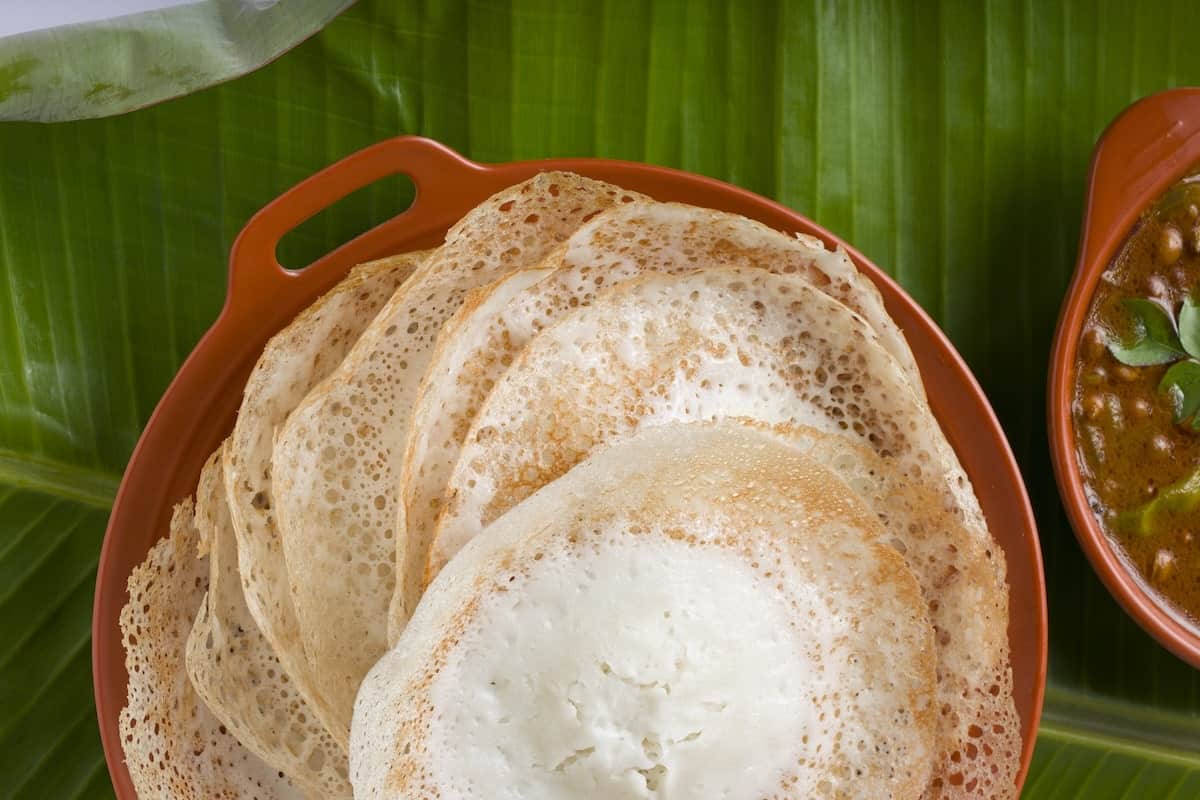
But South Indian food goes way beyond dosa. Try the appam (a type of South Indian pancake) and biryani, and if you eat seafood or meat, don’t miss their prawns and chilli mutton dry. Absolutely delicious!
This place feels like a little slice of Chennai tucked away in the heart of Bandra.
Alternative Activities
If you’re looking to personalize your one-day itinerary for Mumbai, the plan we’ve shared above is quite flexible. You can easily adjust a few stops and swap in any of these:
1. Eat your way through a Mumbai “khau galli”
If food is your love language, head to one of Mumbai’s iconic khau gallis—street food lanes bursting with local flavors. You’ll find chaat, frankies, kebabs, dosas, pav bhaji, and more, all within a 200-meter radius.
Tardeo, Zaveri Bazaar, and Mahim are some of the best-known gallis, but even the small one near Kasam Market is a local favorite!
Book a Mumbai Street Food Tour to taste the iconic flavors of the city and try 16 flavorful dishes, from juicy samosas to sweet kulfis!
2. Unwind at Juhu Beach in the evening
Skip Chowpatty and head to Juhu Beach instead, which is more spacious and lively in the evenings, with camel rides, corn stalls, and kids flying kites. It gets crowded, especially on weekends, but there’s something nostalgic about watching the sun go down with a gola (ice lolly) in hand.
3. Walk past the Bombay High Court to see the old-world façade
If you enjoy colonial architecture, take a walk past the Bombay High Court in Fort. This Gothic-style building is still in use and looks straight out of a period drama.
The surrounding area is filled with old libraries, bookstores, and the University of Mumbai—ideal if you enjoy walking through history rather than just reading about it.
Afterward, head to Britannia & Company, one of the most legendary Parsi cafés in Mumbai.

4. Stop by Siddhivinayak Temple for darshan
For a spiritual break, visit the Siddhivinayak Temple in Prabhadevi, dedicated to Lord Ganesha. The temple draws thousands of devotees daily, including Bollywood stars and politicians.
Tuesdays are the most crowded, but darshan—the act of viewing the deity—moves quickly on most other days. It’s also one of the most peaceful stops you can make if you’re squeezing in a moment of reflection during your 24 hours in Mumbai.
5. Take in the view from Kamla Nehru Park
Head to the top of Malabar Hill for one of the best views of Marine Drive’s curve from above. Kamla Nehru Park is calm, green, and home to the famous old boot-shaped house you probably saw in children’s books growing up. It’s a good detour if you want a break from the rush, especially after visiting CST or Dhobi Ghat.
Mumbai Travel Map
To help give you the lay of the land, this Google Map has the above-mentioned Mumbai attractions pre-plotted:
You can also grab this map—as well as other destination maps, itineraries, budget calculators, and travel planning resources—in my free Ultimate Travel Planning Toolkit. 🎁
Mumbai Travel Logistics
Now that you know what to do with one day in Mumbai, let’s go over some important travel logistics so you can plan accordingly.
Where is Mumbai?
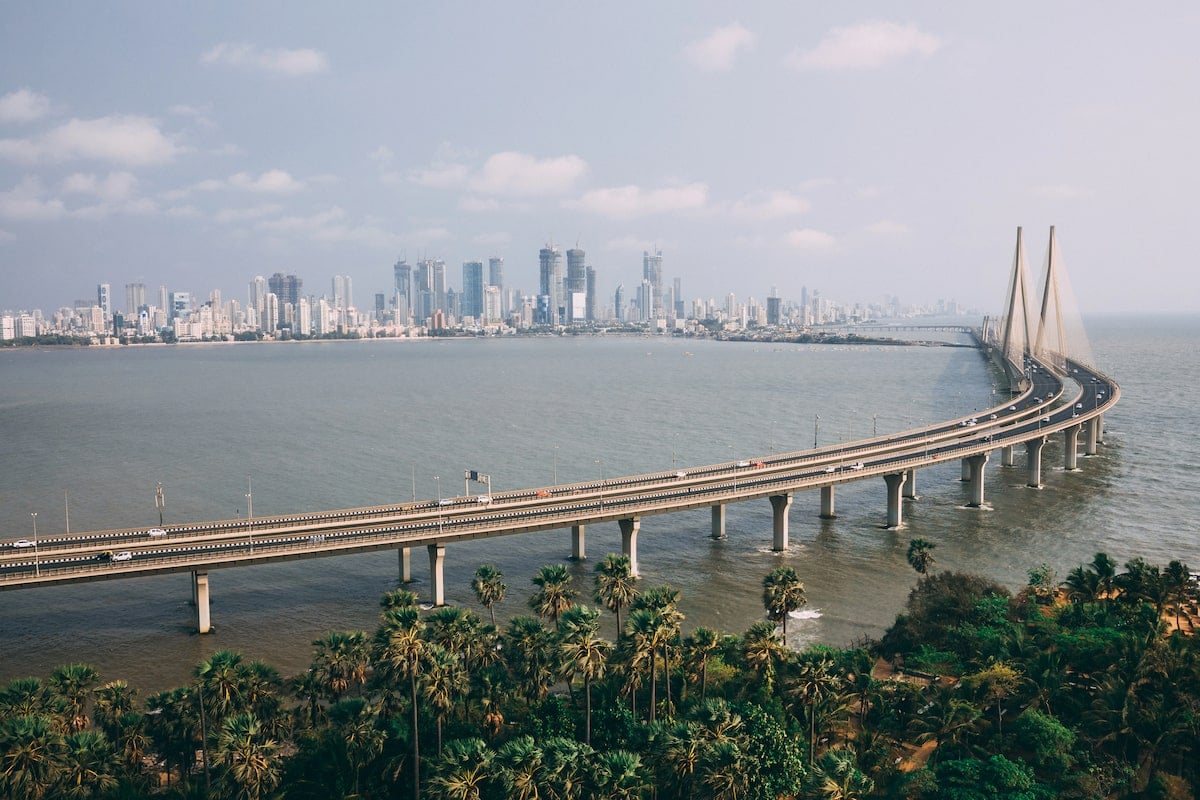
Mumbai is located on the western coast of India, along the Arabian Sea. It’s the capital of Maharashtra and one of the most important cities in the country, both economically and culturally.
The city stretches across a series of reclaimed islands, which explains its long coastline, historic fort areas, and dense neighborhoods built around narrow roads.
South Mumbai is where most of the iconic heritage buildings, government offices, and tourist landmarks are located, including Colaba, CST, and Fort. The suburbs, which include areas like Bandra, Juhu, and Andheri, are more residential and better known for cafes, nightlife, and shopping.
Getting to Mumbai
Most people coming to Mumbai from other states or countries arrive via the Chhatrapati Shivaji Maharaj International Airport (CSMIA). The airport has two terminals: Terminal 1 for domestic flights and Terminal 2 for both international and domestic flights.
If you’re following this one-day itinerary and want to stay near Juhu or South Mumbai, give yourself at least 45 to 90 minutes from the airport, depending on traffic.
By train
If you’re traveling to Mumbai by train, try to book your ticket to Chhatrapati Shivaji Maharaj Terminus (CST). The Gateway of India and the Taj Mahal Palace Hotel are just 10 minutes away from the station, so you can start your day right here. It’s a UNESCO World Heritage Site and one of the most iconic buildings in the city.
Apart from CST, Mumbai Central and Dadar are two other major railway stations. Dadar is great for connections to both the Western and Central lines if you’re headed into the suburbs later.

By road
Mumbai is connected to nearby cities like Pune, Nashik, and Goa by well-maintained highways and expressways. If you’re traveling by bus, you’ll most likely be dropped off at Dadar, Borivali, or Navi Mumbai, depending on the operator.
Private buses, Volvos, and government-run services like Maharashtra State Road Transport Corporation (MSRTC) are common. You can also check Omio to book public transportation tickets online, in English.
If you’re driving into the city, keep in mind that entry points like Vashi and Dahisar can get backed up, especially during peak hours or festival weekends. Parking is tight and traffic is unpredictable, so unless you’re used to Indian driving conditions, it’s best to rely on local transport once you’re in the city.

Getting around Mumbai
Now let’s discuss the best way to get around Mumbai after you’ve arrived.
Train
The trains are often called Mumbai’s “lifeline,” running on three major lines—Western, Central, and Harbour—that connect nearly every part of the city, from Churchgate in the south to Virar in the far north.
They’re fast, affordable, and a good way to experience how the city actually functions on a weekday morning. That said, skip the rush hour if you’re not used to big crowds. Trains between 8–10am and 6–8pm get packed beyond belief.
If you’re feeling a little brave and want to try it, opt for a first-class ticket—it’s more spacious and far less chaotic. You can use apps like M-Indicator to check train timings, platforms, and live crowd updates, or use the Mumbai Lifeline website.
Bus
BEST Buses are another local favorite and run all over Mumbai, even through the inner neighborhoods where trains and metros don’t reach. They’re slower than trains but very cheap and reliable, with a decent mix of AC and non-AC options.
You can track routes and timings using the BEST Chalo or M-Indicator apps, and the front seats are often reserved for women.
Metro
The Mumbai Metro is still expanding, but the lines that are up and running are a dream. They’re clean, air-conditioned, and punctual, making them one of the best ways to avoid traffic altogether.
Metro Line 1 (Versova to Ghatkopar) is already operational, and newer lines like the Colaba–Bandra–SEEPZ route are opening up more connections across the city.
Ticket prices are very reasonable, and if you’re planning multiple trips, get a Metro card instead of buying tokens every time.
Taxi or rideshare
Those iconic black-and-yellow taxis are still in the South Bombay region! They’re metered, but many drivers may try to avoid using the meter, especially if they know you’re a tourist.
If you’d rather skip the negotiation, just book an Uber or Ola. Both apps work very well in Mumbai and are often cheaper than haggling with local cabbies.
Auto-rickshaws
Auto-rickshaws are a great option too, but they only run in the suburbs; South Mumbai doesn’t have them. They’re perfect for short distances and give you the true Mumbai street experience. Just like with taxis, always check if the meter is running before you hop in.

Best time to visit Mumbai
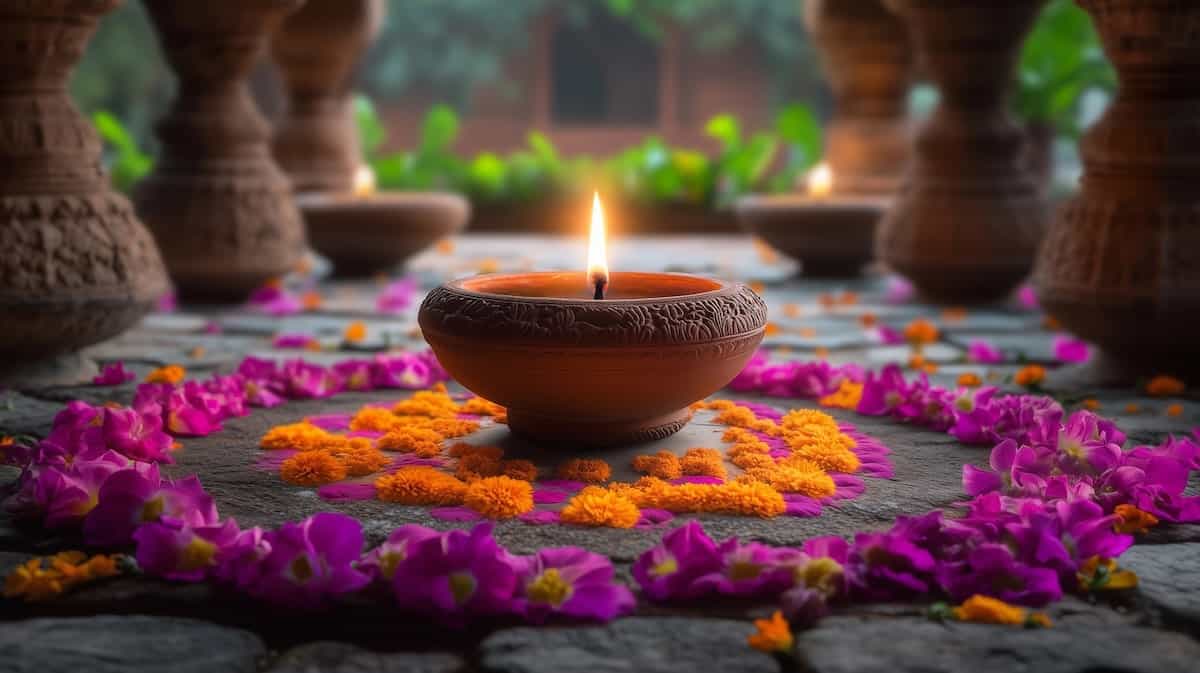
The best time to visit Mumbai is between October and February. The weather is dry, slightly cooler, and perfect for sightseeing on foot and beach evenings. This is also when the city feels festive—Diwali lights are still up in November—and you’ll often find food festivals or street events happening in places like Bandra and Fort.
March to May is summer, and Mumbai gets hot and humid quickly. It’s manageable if you’re used to tropical heat, but not ideal for rushing around outdoors.
Monsoon season starts in June and goes until early September. The rain transforms the city—it gets greener, quieter, and more romantic—but it’s also when roads flood, trains slow down, and many outdoor activities pause. The Elephanta ferry doesn’t run during monsoon season, and long drives can take much longer due to waterlogging.
If you’re curious about cultural experiences, visit during festivals like Ganesh Chaturthi in August or September. But know that traffic is intense, crowds are massive, and you might not get to tick off many locations in a single day.
If it’s your first visit and you want to follow this itinerary without detours, I’d suggest avoiding the monsoon months.
Is Mumbai Safe?
Mumbai is generally considered one of India’s safer big cities, though its size does come with some risks. With over 21 million people, it’s bustling and crowded, and that can make petty crimes like pickpocketing and taxi scams relatively common, according to Travel Safe – Abroad.
Pickpockets tend to operate in busy markets, on local trains, and around major tourist spots, so learning how to avoid them is wise.
Taxi and meter scams are frequent. Many drivers will quote inflated fares or pretend the meter isn’t working. To avoid this, use ridesharing apps like Uber or Ola, or confirm meters are running before you set off. Trying to hail a taxi in crowds or late at night can leave you overcharged or waiting longer than expected.
Crimes like mugging, assault, and violent attacks are rare. The city does face a broader threat from organized scams and has a high terrorism risk, although such events are still uncommon.
For solo female travelers in Mumbai, caution is advised. Verbal harassment can happen, especially late at night, and group travel is typically safer. Trust your instincts, avoid dark side streets, and choose well-lit, busy routes.

Mumbai Travel Insurance
When visiting India, it’s important to get travel insurance to protect yourself and your trip.
If you’re looking for something straightforward, comprehensive, and budget-friendly, SafetyWing is an excellent choice. They offer two plan options:
🟡 Essential, for mid-to-short-term travelers
- Covers emergency medical care, trip delays, and evacuations
- Flexible 28-day subscription or fixed-date coverage for specific trips
- Add-ons available for adventure sports, electronics theft, and U.S. coverage
🔵 Complete, for long-term travelers and digital nomads
- Includes most Essential benefits, plus routine care, mental health support, and maternity coverage
- Covers you both abroad and in your home country
- Comes with adventure sports coverage, cancer screenings, outpatient services, and therapies like chiropractic care
➡️ Click here to compare plans and protect your trip.

Final Thoughts On Spending 24 Hours In Mumbai
Spending just one day in Mumbai gives you a glimpse of why it’s called the City of Dreams. From colonial architecture and bustling markets to serene waterfronts and legendary street food, the city is a vibrant mix of old and new.
While 24 hours is only enough to scratch the surface, this itinerary will help you experience its energy, history, and flavor in a memorable way.
And who knows—after a day here, you may already be planning your return trip to dive even deeper into everything Mumbai has to offer.
What would you add to this one day Mumbai itinerary?