How To Monetize Your Skills With Freelancing (No Followers Needed)
This post contains affiliate links, including Amazon affiliate links. If you purchase through these links, I may earn a commission at no extra cost to you. As an Amazon Associate, I earn from qualifying purchases. Thank you for your support!
If you’re a newer blogger looking to monetize or a seasoned creator wanting to add an additional revenue stream, here’s an idea: freelancing.
With freelance work, you don’t need to be a popular influencer or have a certain number of pageviews to make money.
Instead, you create content for other brands and publications and get paid for your skills vs your following.
But, how do you get started with earning from freelance work?
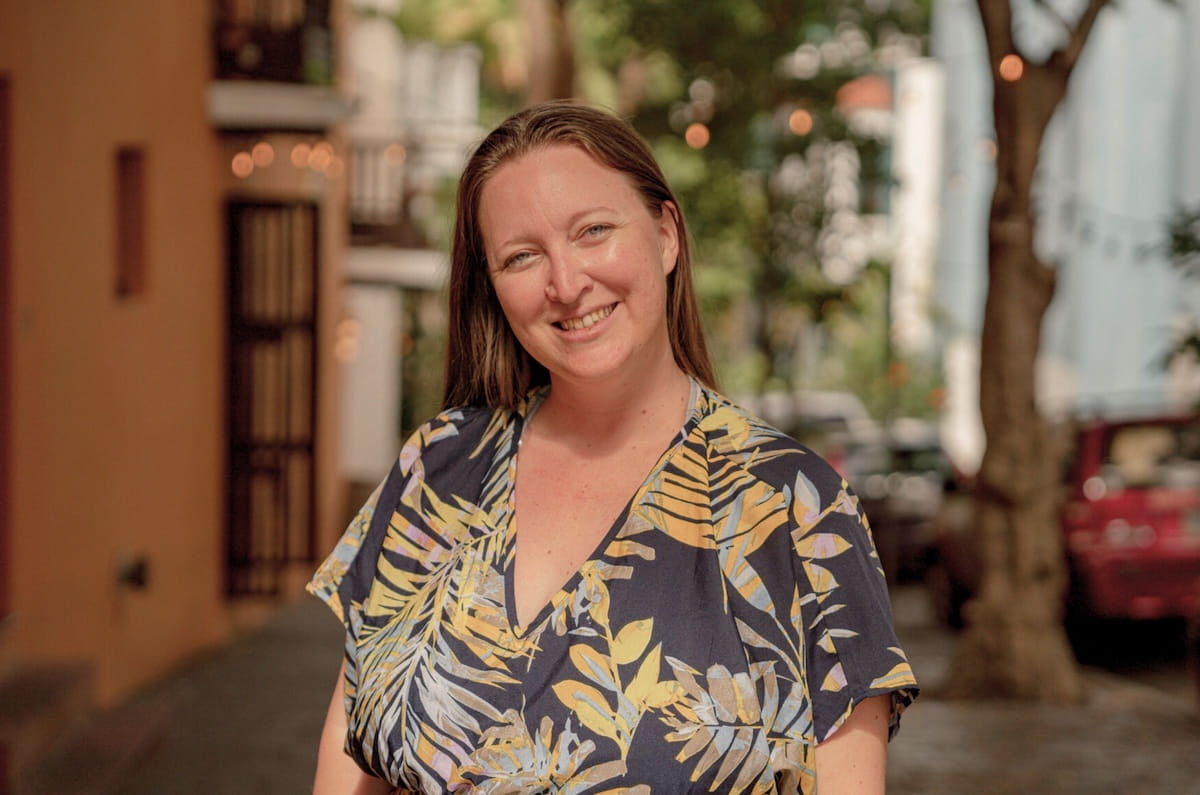
That is exactly what travel blogger and content strategist Brittany Verlenich—who also runs The Freelancer Fix newsletter—will be breaking down for us.
Brittany is a former classroom teacher who was able to replace her teaching salary in just three months by turning the blogging skills she already had into service-based freelance work.
She’s sharing her best freelancing tips for beginners, including how to:
- Pinpoint what services to offer
- Set rates and create packages
- Retain long-term freelancing clients
- Turn freelance work into a reliable revenue stream
- And more!
💻 Bonus: This episode of The Profitable Travel Blogger Podcast includes options for learning through audio, video, or a text guide below!
💡Quick freelancing tips:
-If you are skilled at something that other people aren’t, don’t enjoy, or is time-consuming, you have a high-value service.
-Market your service by promoting the outcome it delivers (e.g., a “blog post” is a “lead-generating tool that can make a brand more visible and profitable”).
-Testimonials, case studies, and examples are important, and you can use work from your own channels or offer discounted or pro bono work to peers to gather these.
🎁 Sign up for the free 5-day Travel Blog Prosperity Open House, which gets you access to a live daily workshop or coaching call—replays included—as well as our private Facebook group to ask questions in a safe and nurturing environment.
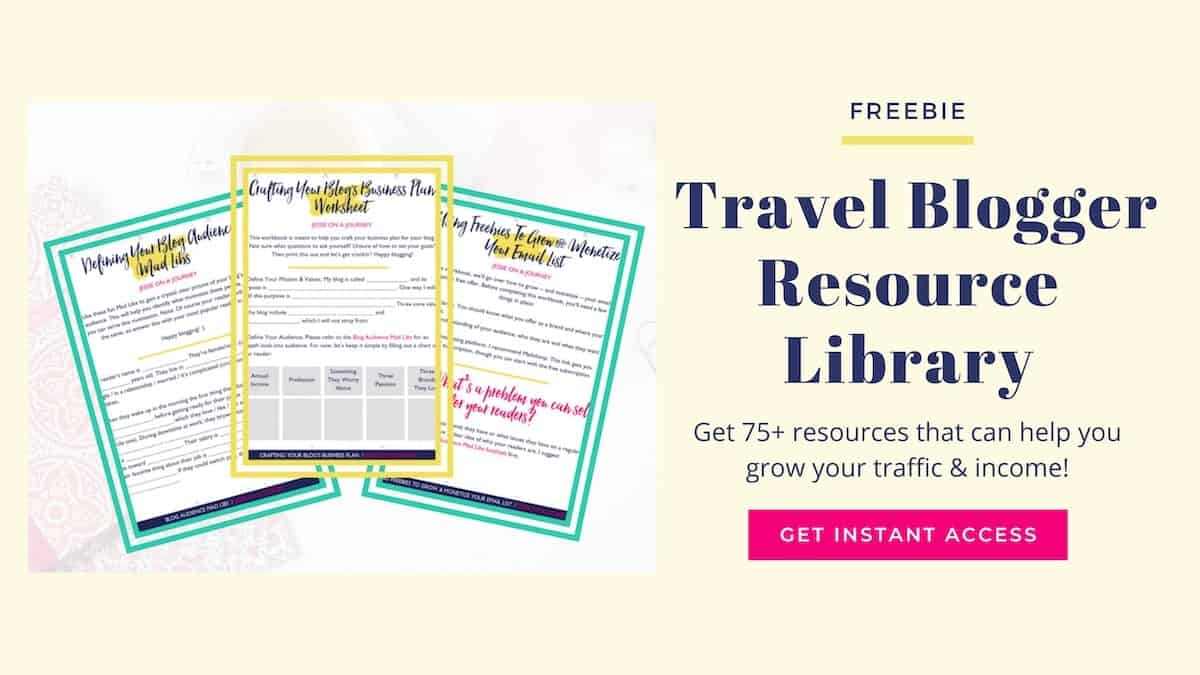
🎁 Grab my free Travel Blogger Resource Library featuring a Make Money Freelancing Cheat Sheet based on Brittany’s tips! You’ll also get access to 75+ resources that can help you grow your traffic, email list, and income.
How To Make Money Freelancing [Audio + Video]
Step-By-Step Freelancing Strategy [Guide]
The following is a summary of the podcast episode sharing tips for monetizing your creator skills with freelancing. It is transcribed as best as possible, with paraphrasing included. For the full strategy, make sure to listen to the audio or video version of the podcast above.
1) Can you share more about how you got into freelancing?
My journey really started by simply being helpful. I like to say that I treat everyone like a friend I haven’t made yet, so I tend to share what I know pretty freely.
When I saw people struggling with a task that I knew how to do better or easier, I’d show them my process. Eventually, people saw what I was doing with social media, blogging, and podcasting and they caught wind of my skills.
It started organically as just helping out, but it eventually led to me offering those skills as a paid service. I was a full-time classroom teacher at the time and knew my contract was coming to an end.
Because I had a very specific financial goal and a short timeline, I leaned into these services and was able to replace my teaching salary in just three months.
2) What blogging skills do travel creators have that businesses are willing to pay for?
So many things! We often take for granted the skills that come easily to us because we’ve practiced them for so long.
A few high-value skills include:
Engaging writing: Businesses and small brand owners often lack the time or ability to write in a way that truly connects with an audience.
SEO: On-page and technical website SEO is a high-level skill that companies desperately need.
Systems & marketing: Understanding how email marketing, YouTube descriptions, and online sales systems work together.
Platform specifics: Things you think are simple—like uploading a podcast, writing product listings (like on Etsy or Teachers Pay Teachers), or formatting a blog post—are tasks that many business owners actually dislike doing and will gladly outsource.
Visual skills: Photography, videography, and even just the willingness to get on camera for UGC (user-generated content) are services you can command a high price for.
By the way, if you’re interested in creating UGC content for brands, this video can help:
3) How can creators decide what services they should offer?
There are endless options, so I use a specific exercise to help people find their ideal first service.
You can work through these four categories:
Proficiency: What are you good at? What do you feel comfortable doing? Take an inventory of your skills, even if you aren’t passionate about them.
Passion: What do you actually enjoy doing? For instance, do you like editing videos, or do you prefer keyword research?
Profitability: What is actually going to solve a problem for a business? Your ideal service lives where your skills overlap with a brand’s pain points.
Capacity: What does your schedule reasonably look like? I recommend starting with a service you can perform in 2-4 hours a week, as tasks like invoicing and emailing will take more time than you think.
If you’re stuck, ask yourself: “What do people always ask to pick my brain about?” That is usually a sign of a marketable service.
4) Once a creator pinpoints the freelance service they want to offer, what should their next steps be?
My best advice is to skip unnecessary steps. You don’t need a separate website to start.
Instead:
Create a portfolio in Canva: You can do this in an hour using a template. If you have a media kit, a portfolio is very similar.
Try to keep this to one page if possible. Busy clients just want to see evidence that you can do what you say you can do.
Use your own work: If you don’t have past clients, link to your own blog posts or social channels as evidence.
Demonstrate proficiency: Use screenshots, videos, or links to show your work in action. The more evidence you can provide, the better.

5) What are your top tips for finding freelance clients? Do you recommend platforms like Fiverr and Upwork?
You can find clients in a variety of ways, like:
Networking: Join newsletters, memberships, and associations. Let people know what you’re offering. You’ll likely find that many people will say, “I’m not looking, but I’ll keep you in mind,” which is how referrals start.
Responding to jobs: If you see someone on a mailing list say they are looking for help, reply with personality. I once got a job by replying to an email in a witty way and sending an unsolicited video to stand out.
Fiverr & Upwork: These are great for reaching a cold audience that is looking for a specific problem to be solved.
On Fiverr, keep in mind that you are starting from scratch. Use every square inch of your profile to provide evidence, and consider starting with a lower rate to build up reviews. As you get more social proof, you can raise your rates monthly.
🎁 Don’t forget to grab your free Make Money Freelancing Cheat Sheet inside the Travel Blogger Resource Library! You’ll also get access to 75+ resources that can help you grow your traffic, email list, and income.
6) How can creators set freelance rates and share packages with confidence?
Pricing is always a bit hard, but I have a few rules of thumb:
Avoid undercharging: Don’t charge based on how easy a task is for you. If you spend 10 hours on a project and only make $300, you’ll end up resentful.
Consider the value to the client: If a blog post you write earns a client $2,000, that post is worth way more than the one hour it took you to write it.
The “instant yes” rule: If a client says “yes” immediately, your rates are likely too low.
Posturing matters: If you charge too little, people won’t trust your expertise. Look up what marketing professionals earn, and you’ll quickly realize you are saving businesses money even at your “high” rates.
Master the ethical upsell: I often start with a smaller entry service to build trust and then propose the logical next step once I’ve proven my value. If you’ve just delivered a social media strategy, the client is naturally going to need someone to execute the posts—by offering that as an add-on, you increase your project value while solving their next big problem before they even have to ask.
Position retainers for consistency: Most brands struggle with staying consistent, so I always pitch recurring monthly packages as the best way to ensure they see long-term results. When you frame an upsell as a way to maintain momentum on platforms like YouTube or Instagram, you turn a one-off gig into a reliable, recurring revenue stream.

7) How can you impress and retain freelance clients?
The goal is to turn a one-off project into a recurring monthly retainer.
Treat their work like your own: Adopt their goals as your own, and put in just as much effort.
Overdeliver (but not too much): For instance, if your contract says content is due in 10 days, deliver it in seven. Or if you’re writing blog posts, include suggestions for SEO metadata or a social media teaser as a little bonus. In short, set expectations and then slightly exceed them.
Be reliable: Nail your deadlines. If you struggle with organization, use tools like Google Calendar or TidyCal to keep yourself on track. You can also save workflows in a tool like Asana and projects in ChatGPT+ that are trained on your client’s voice (as long as they allow this).
Referrals are powerful: If you make a client feel special, they’ll be more likely to refer you to other people. For instance, if you offer custom itinerary planning, you might call a restaurant ahead of time for an itinerary client or have a special treat waiting in their room.
8) How can you stay organized and avoid trading time for money and burnout?
Here are a few ideas for this:
Create a set schedule: Ironically, having a schedule can create more freedom than not, as it prevents work creep, ensuring your business doesn’t bleed into every waking second of your personal life.
Categorize your tasks: I separate my work into things I can do on my phone, like social media engagement, and high-energy “desk tasks” like deep video editing to maximize productivity in small pockets of time.
Work in batches: It is much easier to edit five videos at once through batching than to do them one by one, which is why I try to work three weeks in advance for my clients. This eliminates context switching, which is the mental drain that happens when you jump between different types of tasks, allowing you to finish projects significantly faster.
Set clear boundaries: I recommend setting expectations during your very first call and using your contract to handle extra requests. By saying, “I’d love to help with that additional task, and here is what the extra cost would be,” you turn a potential boundary-push into a professional upsell while protecting your time.
Use AI as a second brain: When allowed, I use a paid ChatGPT account and organize projects by client name to store brand voices and facts (that don’t include sensitive information). This reduces decision fatigue because you don’t have to waste mental energy trying to remember specific client preferences every time you sit down to work.

9) What are the biggest mistakes creators make when getting into freelancing?
There are a few common mistakes people make when getting into freelancing. The top ones that come to mind are:
Offering too much for too little: Many creators undervalue their skills because they’ve been doing them for free on their own blogs for years. You must stop charging based on how easy a task is for you and start charging for the years of accumulated experience it took you to master that skill.
Thinking like a creator instead of a business owner: A common pitfall is selling a deliverable (like a blog post) rather than an outcome (like a lead-generating tool). When you shift your messaging to show how your work makes a brand more visible or profitable, you move from being an “expense” to an “investment” in their eyes.
Failing to advocate for yourself: It is easy to say “yes” to a low rate out of fear, but this often leads to resentment and burnout. Being okay with a prospect saying “no” is essential; it clears your schedule so you have the capacity to say “yes” to the high-paying clients who actually value your work.
10) Thank you so much for sharing your freelancing tips! Where can people find you?
- The Freelancer Fix (Substack newsletter)
- BrittanyVerlenich.com (website)
- Your First Freelancing Service (free guide)

Recommended Tools For Freelancers
Fiverr. A global freelance marketplace that connects you with business owners actively searching for specific solutions, making it an excellent platform for landing your first few clients and building up public reviews without needing to do manual outreach.
Upwork. A professional bidding platform where you can apply to specific job postings from brands and agencies, which is helpful for finding higher-budget projects and established companies that are ready to hire for long-term roles.
ChatGPT. An AI-powered assistant that acts as a second brain by storing client brand voices and project facts, which is essential for reducing decision fatigue and helping you quickly draft witty pitches or professional boundary-setting emails.
Canva. A user-friendly design tool that allows you to create a professional one-page portfolio or media kit in minutes, giving you a way to provide visual evidence of your skills to potential clients without the time and expense of building a full website.

Bonus Strategies For Growing Travel Creators
Learn how to:
- Build an algorithm-proof travel blog
- Pitch high-ticket brand collaborations with confidence
- Get featured in the media to grow your visibility
- Turn 1 piece of content into 10+
- Write a travel newsletter in 20 minutes
➡️ Click here for the full Profitable Travel Blogger Podcast episode list!
Get Notified About New Episodes
Don’t miss an episode! Subscribe to The Profitable Travel Blogger Podcast on your favorite podcast platform like Apple Podcasts, Spotify, and Amazon Music.
Prefer email? Click here to sign up for our Podcast Updates newsletter!
If you already grabbed the free Travel Blogger Resource Library, you’re already on the list to get notified. 🎉
Your Freelancing Action Plan
The best way to become a successful freelancer as a creator is by leading with helpfulness and your unique expertise.
Focus on your proficiency first and look for the specific tasks that brands struggle with or don’t have time to do.
When you share your knowledge freely and solve real-world problems for others, you’ll naturally build the trust needed to transition from helping out to offering high-value paid services.
Once you’ve built that foundation of social proof and testimonials, you can naturally layer in higher rates, monthly retainers, and recurring revenue streams.
Start small, set your boundaries, and let your skills drive the rest.
🎉 Don’t forget: You can grab my free Make Money Freelancing Cheat Sheet inside the Travel Blogger Resource Library, which also includes 75+ resources for growing a profitable blogging business.
➡️ Click here to access the free Travel Blogger Resource Library!